Every choice is a chance to make an impact. And we're here to guide you.
MightyNest offers personalized shopping so you can find products for your home that fit your priorities, complete with expert ratings for total transparency.


MightyNest offers personalized shopping so you can find products for your home that fit your priorities, complete with expert ratings for total transparency.
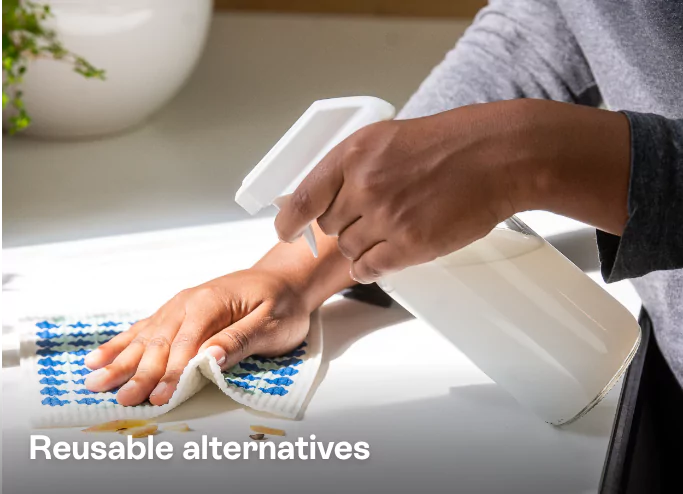
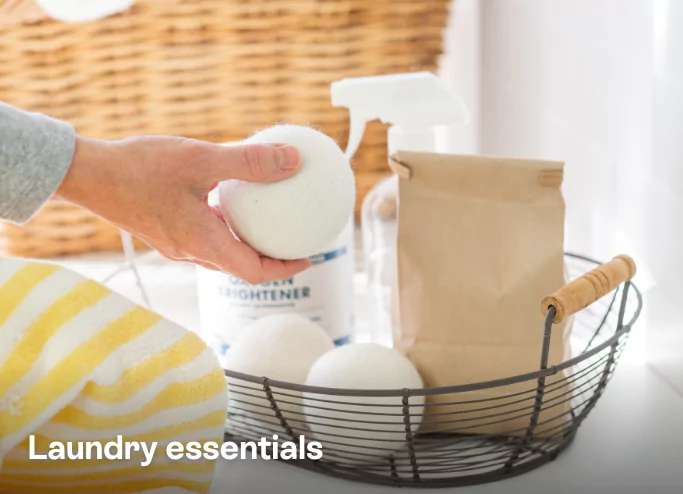




Forget the guesswork!
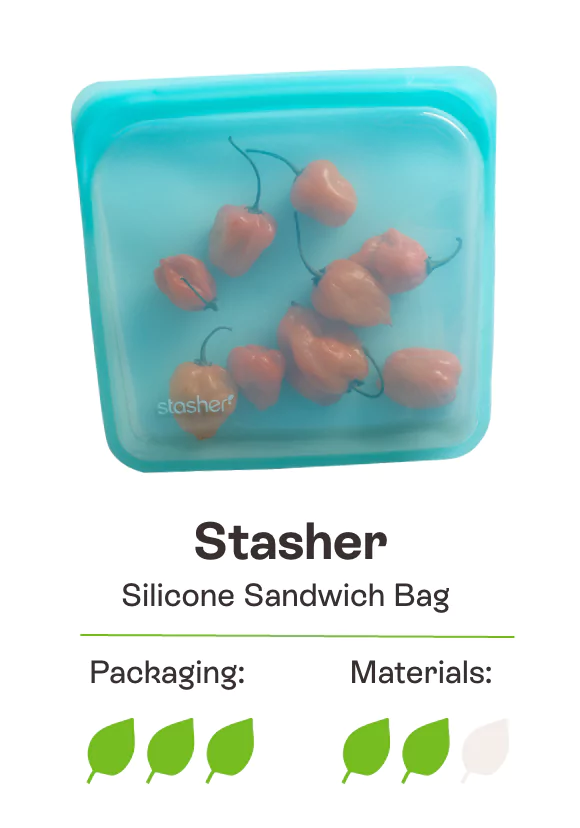
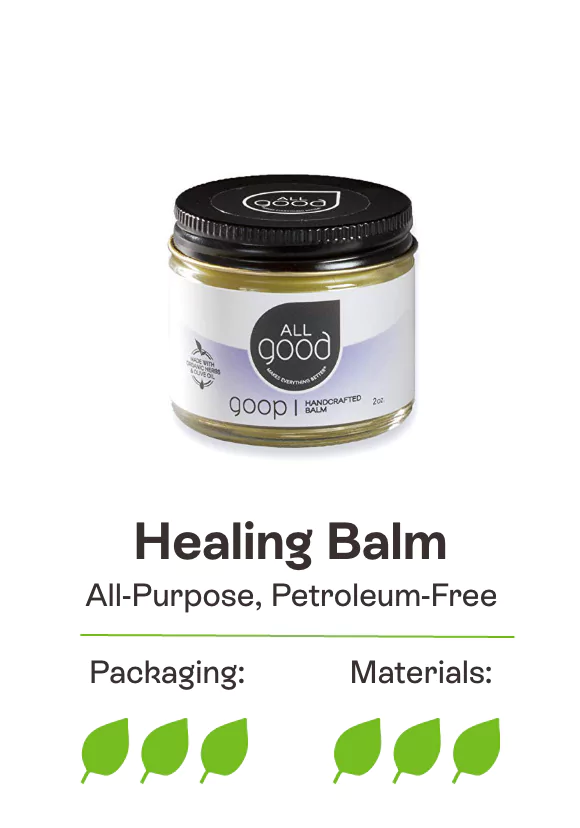
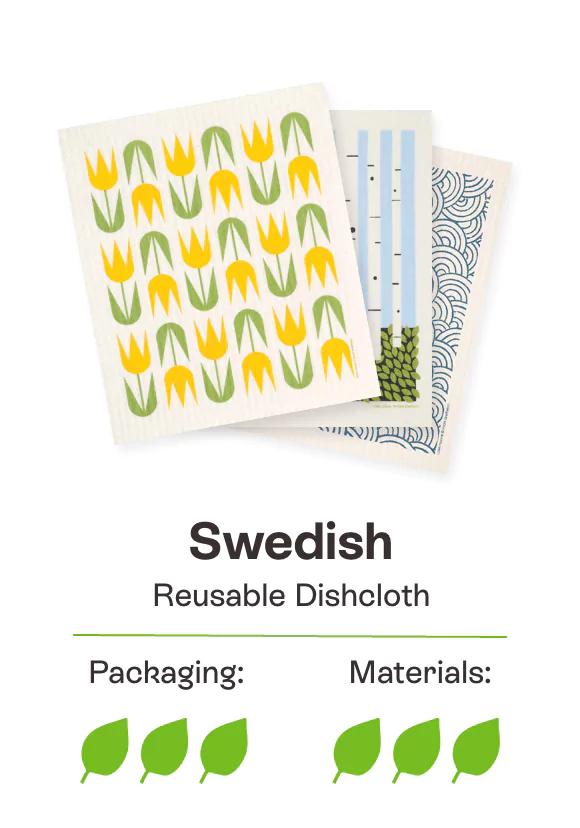
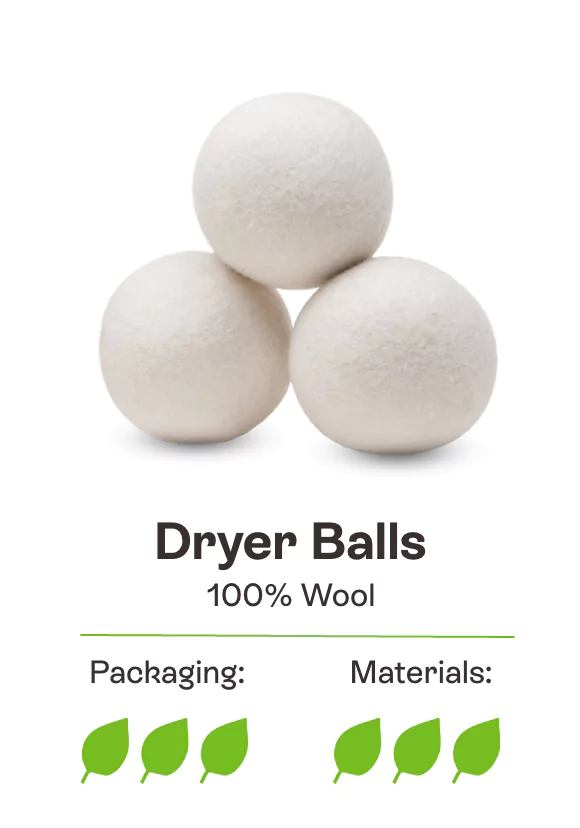
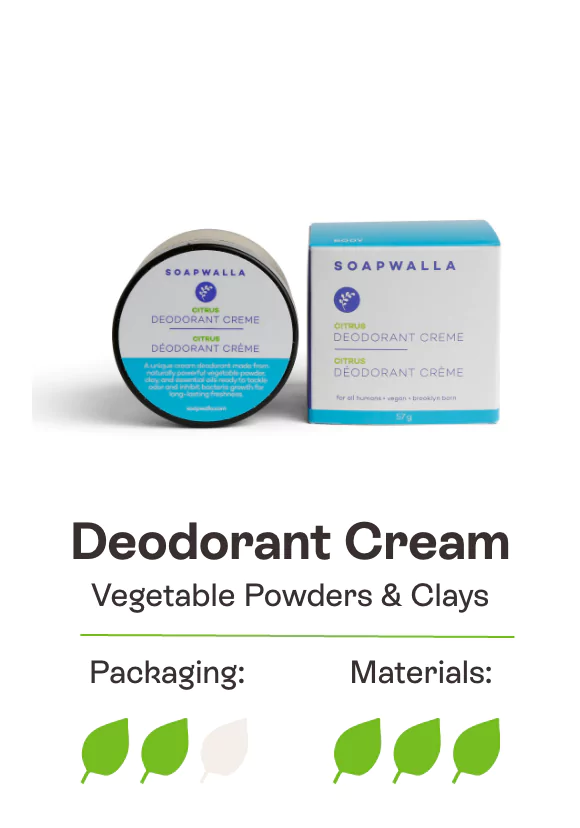
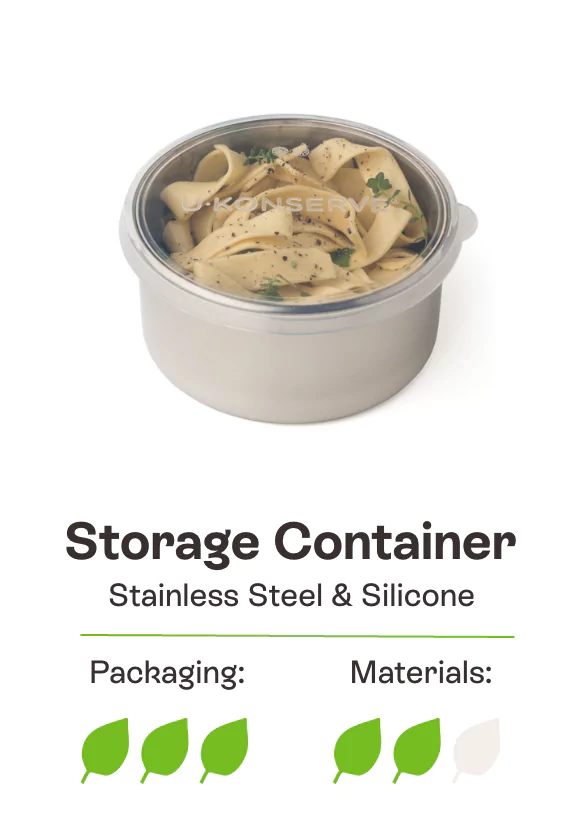
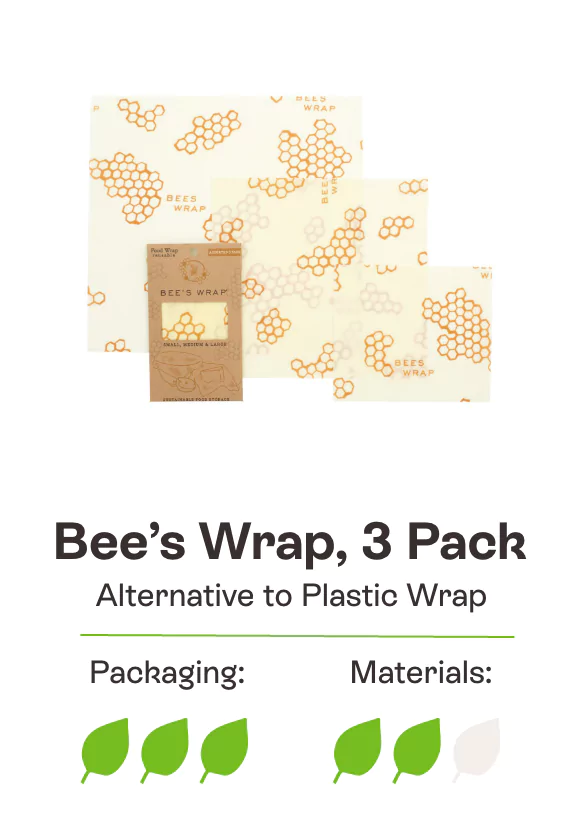
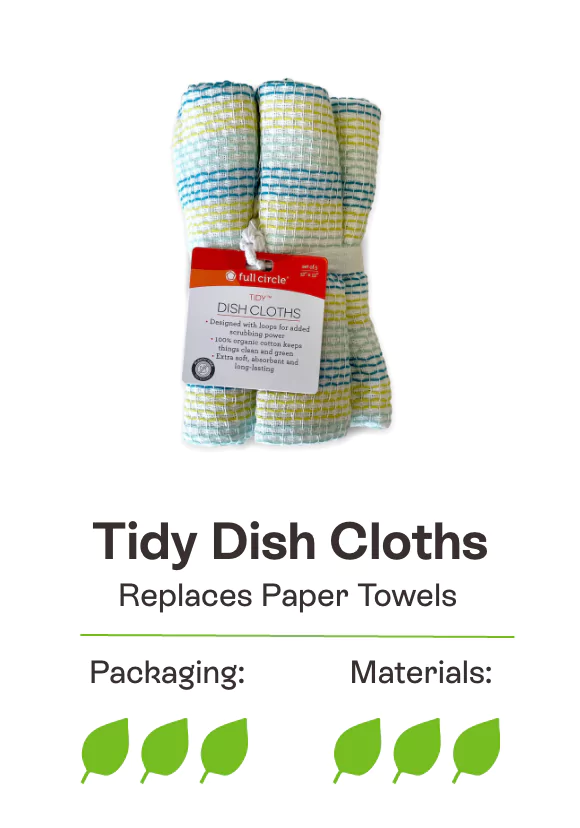
We evaluate the ingredients, materials and packaging for every product and share them with easy-to-understand ratings.



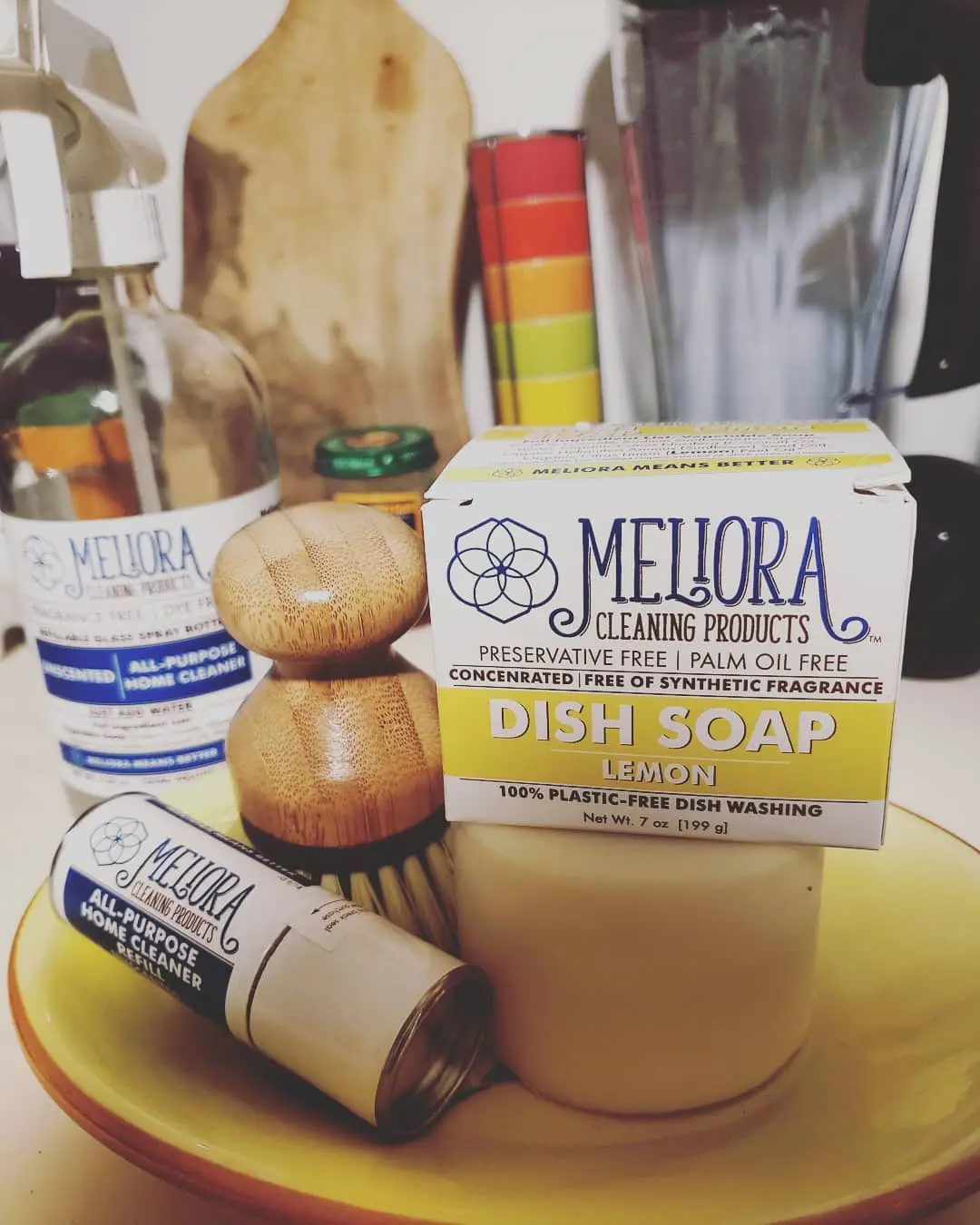
“I'm slowly reducing the amount of paper and plastic in my home. 💃 I've been using the spray cleanser for a while and its amazing! Excited about the dish soap bar 🍋”

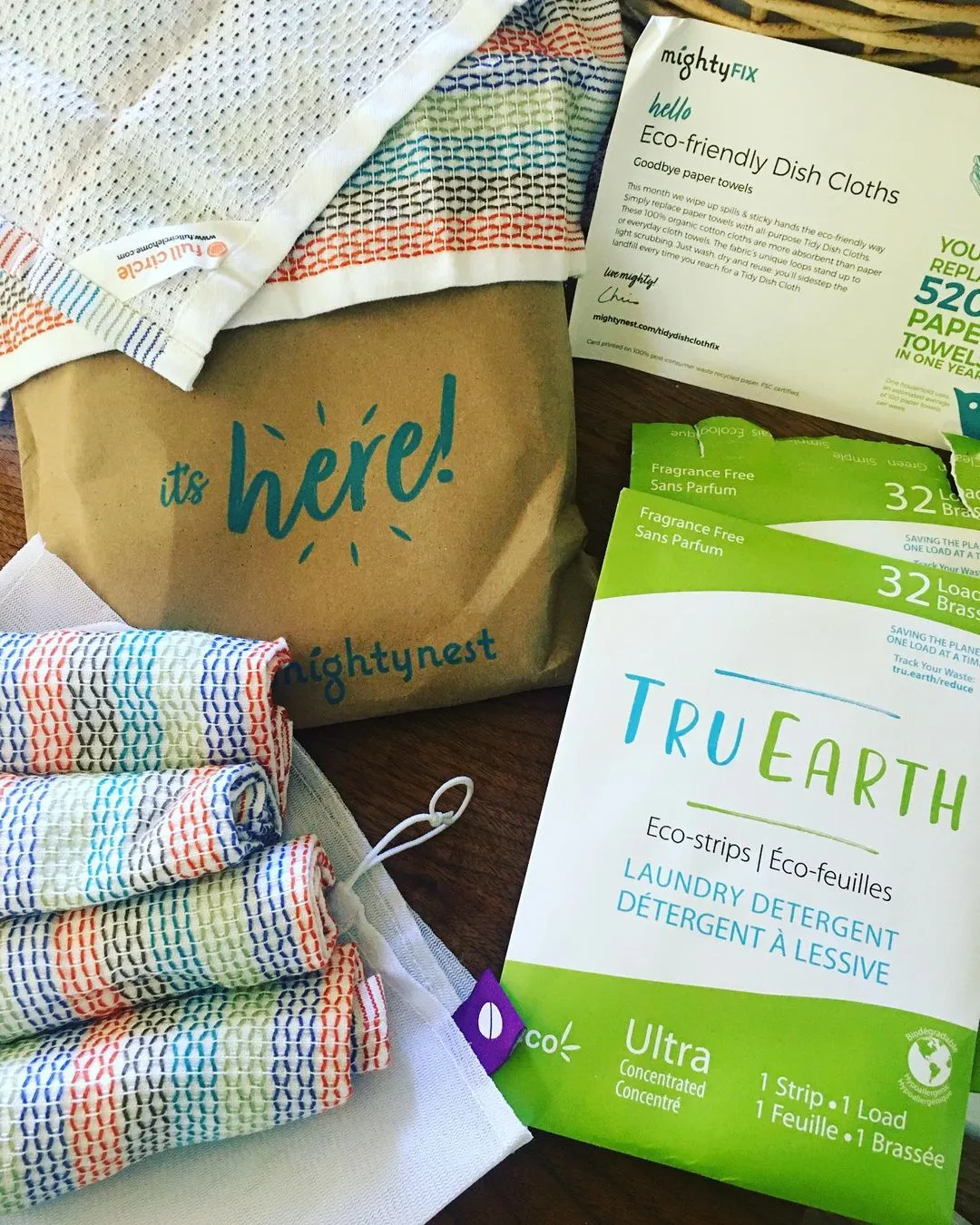
“My all time favorite subscription service. #mightynest Mother Nature has always been kind and gentle to me, so I will return the favor. From laundry detergent to reusable produce bags, dryer balls to dish cloths, cleaning supplies to organic/renewable products... it never disappoints.”

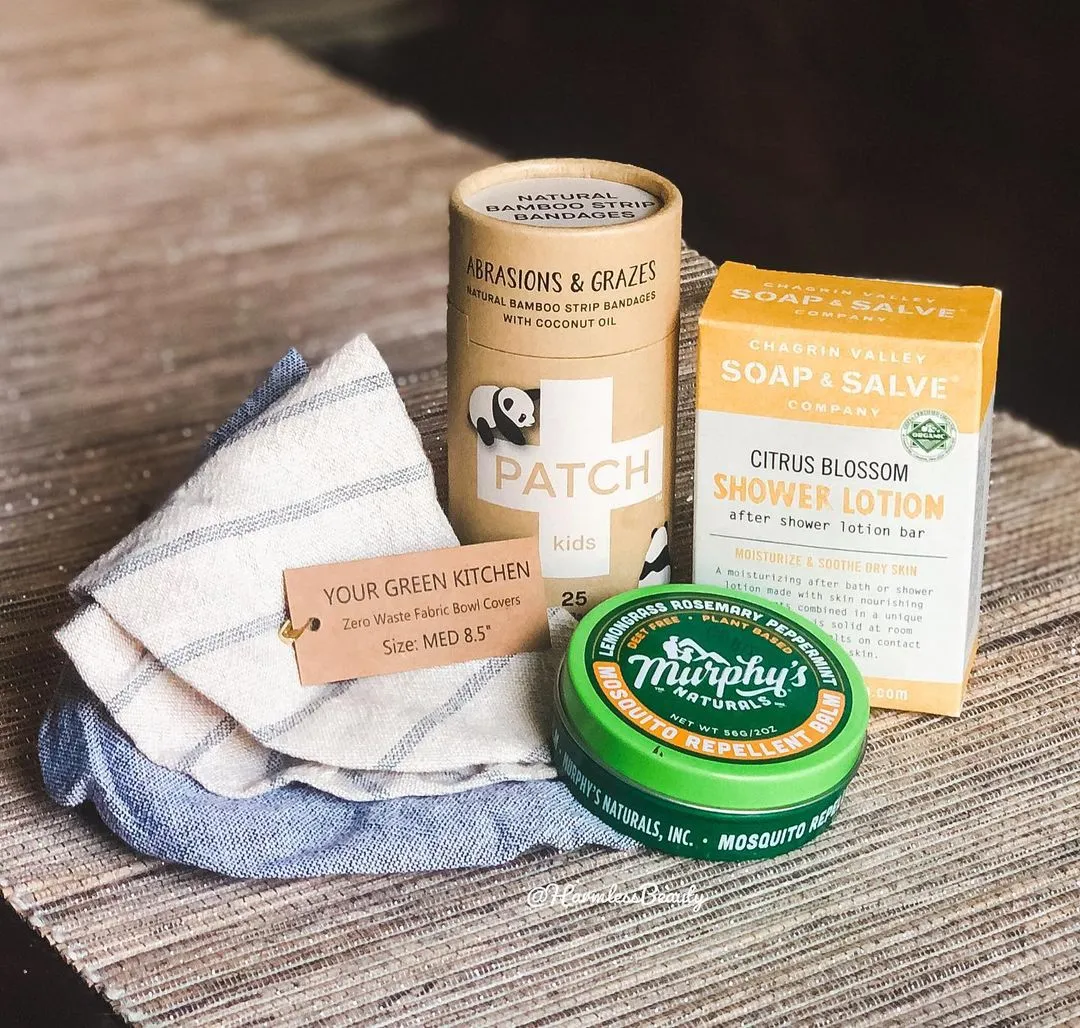
“I love getting my monthly goodies in from @mightynest!”



Get one impactful product sent to you each month.
Help your friends and family
make a real impact.
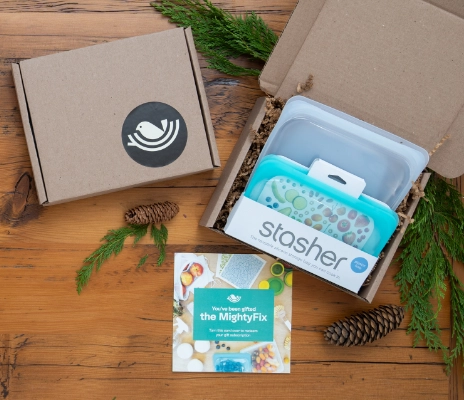
Each month, we send a new product that encourages sustainable living. Choose from 3, 6 and 12 month subscriptions.
Gift the Fix